
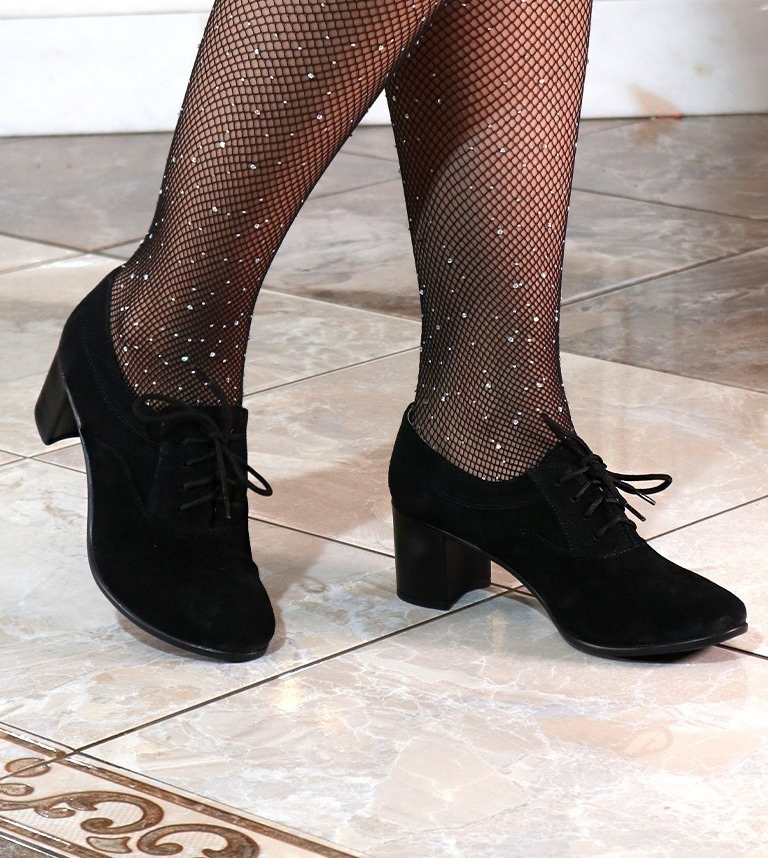
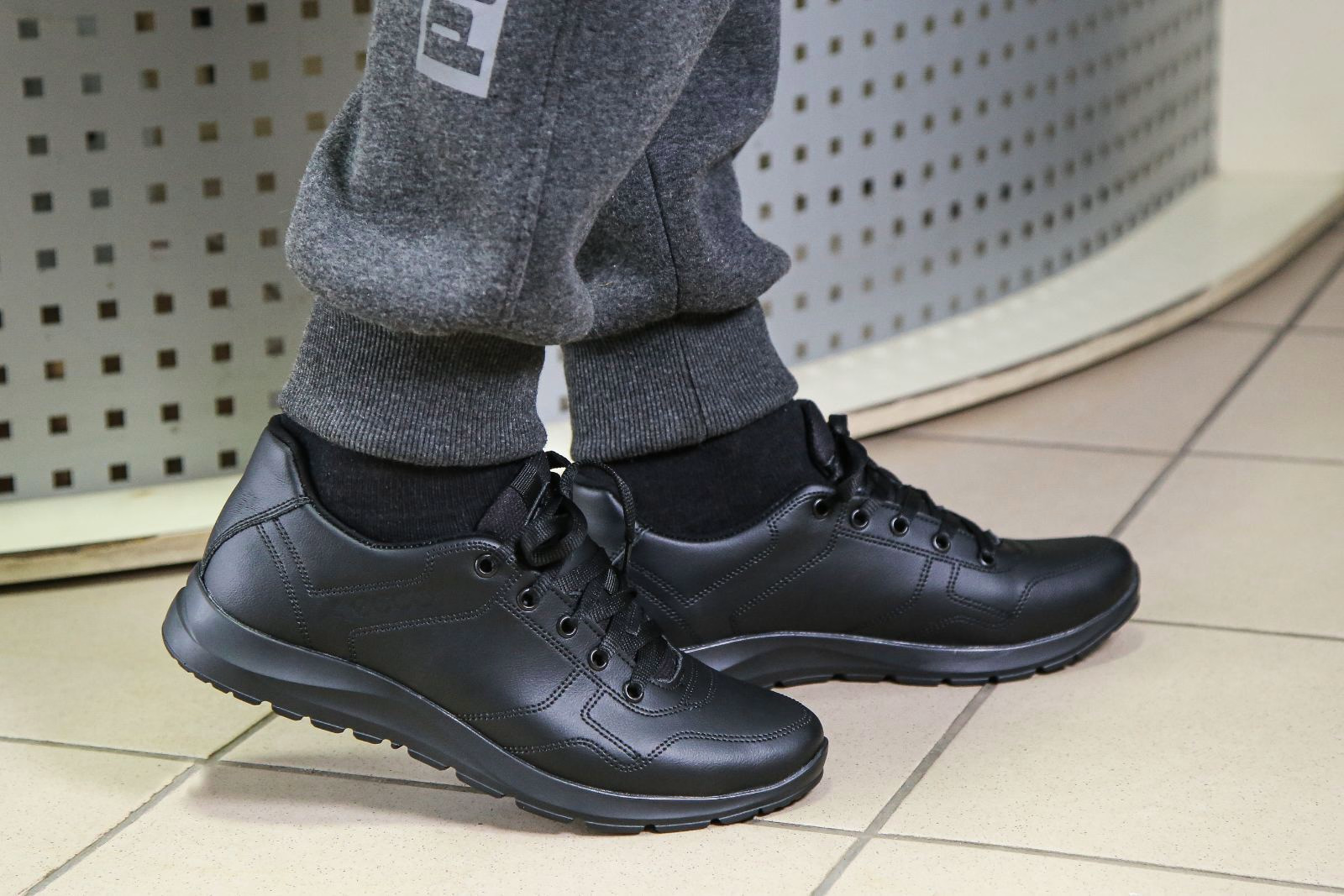
- Vintage treasures and washedandworn.ca offer timeless wardrobe staples
- The Evolution of Vintage Fashion and its Current Popularity
- The Role of Online Platforms in the Vintage Market
- Sourcing & Curating Vintage Clothing: A Detailed Look
- Assessing Condition & Restoration Techniques
- The Sustainability Aspect of Vintage Fashion
- Minimizing Your Fashion Footprint Through Vintage Choices
- Expanding Your Vintage Horizons: Beyond Clothing
Vintage treasures and washedandworn.ca offer timeless wardrobe staples
The allure of vintage clothing lies in its unique stories and enduring style, offering a refreshing alternative to the fast-paced world of modern fashion. Many individuals are now seeking pieces that possess a history, a character that mass-produced items simply cannot replicate. This desire for authenticity and sustainability has fueled a growing interest in curated collections of pre-loved garments, and platforms like washedandworn.ca are at the forefront of this movement, providing access to a carefully selected range of vintage treasures. These aren't just clothes; they are fragments of the past, waiting to be rediscovered and integrated into contemporary wardrobes.
The appeal extends beyond mere aesthetic; vintage clothing often represents a higher quality of craftsmanship than is commonly found today. Fabrics tend to be more durable, and construction techniques more meticulous, resulting in garments that stand the test of time. Furthermore, choosing vintage is an environmentally conscious decision, reducing the demand for new production and minimizing textile waste. The hunt for that perfect vintage find can be incredibly rewarding, and websites specializing in this niche, like the one mentioned, streamline the process, offering convenience without sacrificing the charm of traditional thrift shopping.
The Evolution of Vintage Fashion and its Current Popularity
Vintage fashion isn’t a recent phenomenon, but its cycles of popularity are fascinating to observe. Throughout the 20th and 21st centuries, different eras have experienced revivals, influenced by cultural trends, celebrity style, and a growing awareness of sustainable practices. The 1960s and 70s, with their bold colors and free-spirited silhouettes, have consistently served as inspiration for contemporary designers. More recently, the 1980s and 90s, once considered dated, have seen a major resurgence, driven by nostalgia and a desire for individual expression. This constant ebb and flow demonstrates that vintage style isn’t about simply replicating the past, but rather reinterpreting it for the present.
The current surge in vintage's popularity is heavily influenced by social media platforms like Instagram and Pinterest, where users showcase their curated vintage looks and inspire others. Influencers and fashion bloggers often incorporate vintage pieces into their outfits, broadening the appeal and making it feel more accessible. The rise of resale apps and online marketplaces has also played a key role, creating a convenient platform for buying and selling pre-loved clothing. This democratization of vintage fashion has empowered individuals to embrace unique styles and challenge the norms of mainstream fashion. It also supports a circular economy, reducing our collective environmental footprint.
The Role of Online Platforms in the Vintage Market
Platforms dedicated to vintage and secondhand clothing, such as washedandworn.ca, have revolutionized the way people shop for pre-loved garments. Traditionally, finding vintage treasures required hours spent scouring thrift stores and flea markets. Online platforms offer a curated selection, making the process more efficient and targeted. They also provide detailed product descriptions, high-quality images, and secure payment options, creating a trustworthy and convenient shopping experience. Furthermore, many platforms specialize in particular styles or eras, allowing shoppers to easily find exactly what they’re looking for, be it 1950s dresses or 1970s denim.
The benefits extend to sellers as well. Online platforms provide a wider audience and reduce the logistical challenges of selling through traditional methods. Individuals can easily list their vintage items and reach potential buyers from around the world. This accessibility has empowered a new generation of vintage entrepreneurs, allowing them to turn their passion for pre-loved clothing into a viable business. The global reach of these platforms fosters a sense of community among vintage enthusiasts, connecting buyers and sellers across geographical boundaries.
| Era | Key Styles |
|---|---|
| 1920s | Flapper dresses, drop-waist silhouettes, Art Deco embellishments |
| 1950s | Full skirts, fitted waists, poodle skirts, swing dresses |
| 1970s | Bell bottoms, platform shoes, bohemian prints, disco styles |
| 1990s | Grunge, minimalist slip dresses, oversized sweaters, crop tops |
Understanding the defining characteristics of each era can help enthusiasts identify authentic vintage pieces and incorporate them into their wardrobes effectively. The table above provides a snapshot, but further research into specific designers, fabrics, and construction techniques is essential for serious collectors.
Sourcing & Curating Vintage Clothing: A Detailed Look
The art of sourcing vintage clothing is a skill in itself, requiring a keen eye for quality, authenticity, and potential. For those looking to build a personal collection or even start a vintage business, understanding where to find these treasures is crucial. Estate sales, flea markets, and consignment shops remain popular sources, often yielding unique and undiscovered finds. However, competition can be fierce, and it takes time and patience to sift through the offerings. Developing relationships with local antique dealers and vintage shop owners can also provide access to exclusive pieces and early notifications of new arrivals. Online auctions and marketplaces, including options beyond the main players, present another avenue for sourcing, but require careful scrutiny to avoid misrepresentation or damage.
Effective curation involves not just finding desirable items, but also assessing their condition and potential for restoration. Examining seams, zippers, and buttons is essential to gauge the overall quality and durability. Minor repairs, such as replacing a button or mending a small tear, can often be undertaken by individuals with basic sewing skills, adding value and extending the life of the garment. More extensive repairs may require professional tailoring. When curating, it’s also important to consider the target audience and the overall aesthetic of the collection. A cohesive collection with a distinct theme or style is more appealing to buyers and collectors.
Assessing Condition & Restoration Techniques
Before acquiring a vintage piece, a thorough assessment of its condition is paramount. Look for signs of wear and tear, such as fading, stains, holes, or damaged embellishments. Understanding the type of fabric is also crucial, as different materials require different cleaning and restoration techniques. Delicate fabrics like silk and lace should be handled with extreme care. Identifying any previous repairs can provide insight into the garment's history and potential weaknesses. It's important to differentiate between minor imperfections that add character and significant damage that compromises the integrity of the piece.
Restoration techniques range from simple cleaning and repairs to more complex alterations. Gentle hand-washing is often the safest method for cleaning vintage garments, avoiding harsh detergents or machine washing. Spot-cleaning can address localized stains. For more stubborn issues, professional dry cleaning may be necessary. When repairing tears or holes, using matching fabrics and thread is essential to maintain the garment's original appearance. Experienced tailors specializing in vintage clothing can often perform invisible repairs and alterations, restoring pieces to their former glory.
- Prioritize gentle cleaning methods.
- Examine seams and closures carefully.
- Address minor repairs promptly.
- Consider professional restoration for significant damage.
- Understand fabric types before cleaning.
Proper care and restoration can significantly extend the life of vintage garments, allowing them to be enjoyed for generations to come. Taking the time to assess condition and address any issues is a worthwhile investment in preserving these unique pieces of fashion history.
The Sustainability Aspect of Vintage Fashion
The fashion industry is notorious for its environmental impact, from water pollution and textile waste to carbon emissions. Vintage fashion offers a powerful alternative, promoting a more sustainable approach to clothing consumption. By extending the life cycle of existing garments, vintage reduces the demand for new production, thereby minimizing the environmental burden associated with manufacturing. Choosing pre-loved clothing diverts textiles from landfills, where they contribute to greenhouse gas emissions and soil contamination. This is particularly crucial given the fast fashion industry's tendency to produce low-quality, disposable clothing that quickly ends up discarded.
Buying vintage also reduces the strain on natural resources, such as water and raw materials like cotton, which require significant amounts of pesticides and fertilizers to cultivate. Furthermore, vintage clothing often represents a higher quality of craftsmanship and durability, resulting in garments that last longer and require less frequent replacement. Supporting vintage businesses and platforms like washedandworn.ca contributes to a circular economy, where resources are reused and recycled, rather than discarded after a single use. This model promotes a more responsible and ethical approach to fashion.
Minimizing Your Fashion Footprint Through Vintage Choices
Adopting a more sustainable approach to fashion doesn’t require a complete overhaul of your wardrobe. Small changes, such as incorporating vintage pieces into your existing style, can make a significant difference. Consider buying vintage basics, such as denim jeans, t-shirts, and classic outerwear, which are versatile and can be worn for years to come. Investing in well-made vintage garments, even if they are slightly more expensive upfront, can save you money in the long run by reducing the need for frequent replacements. Also, supporting brands and platforms committed to sustainable practices and ethical sourcing is crucial.
Beyond purchasing, extending the life of your existing clothes is another important step. Proper care, including washing, storing, and repairing garments, can significantly prolong their usability. Donating or reselling clothes you no longer wear ensures they find a new home, rather than ending up in a landfill. By embracing a mindful and conscious approach to fashion, you can minimize your environmental impact and contribute to a more sustainable future. Remembering that fashion can be a force for good, and supporting initiatives that prioritize sustainability, is a powerful statement.
- Seek out durable fabrics and quality construction.
- Prioritize timeless styles that won’t go out of fashion.
- Properly care for your clothes to extend their lifespan.
- Donate or resell unwanted items.
- Support sustainable brands and platforms.
These actions, when combined, can drastically reduce the negative consequences associated with the fashion industry, making style a responsible and rewarding choice.
Expanding Your Vintage Horizons: Beyond Clothing
The world of vintage extends far beyond clothing, encompassing accessories, jewelry, and even home décor. Vintage handbags, shoes, and hats can add a unique finishing touch to any outfit, offering a timeless elegance that is difficult to replicate with modern pieces. Vintage jewelry, particularly costume jewelry, often showcases intricate designs and craftsmanship, reflecting the style of a particular era. Exploring these categories can open up a whole new world of possibilities for expressing your personal style and adding character to your home. The key is to approach these items with the same discerning eye as you would with vintage clothing, assessing their condition and authenticity.
For those interested in incorporating vintage into their living spaces, antique furniture, artwork, and decorative objects can create a unique and inviting atmosphere. Vintage textiles, such as rugs, curtains, and tablecloths, can add warmth and texture to any room. Integrating vintage elements into your home décor allows you to express your creativity and create a space that reflects your individual personality. Whether you're a seasoned collector or just starting to explore the world of vintage, there are endless opportunities to discover unique treasures and create a style that is truly your own.
